

A female torso sex doll can be customized only to the extent offered for the specific model. Choosing a listed variant, requesting a change before production and replacing a compatible component after delivery are three different arrangements. Confirm which applies before ordering. A color selector does not mean the body can be reshaped, and a removable part does not establish that replacements are sold.
“Custom” can describe anything from a choice of existing finishes to a separately agreed manufacturing request. For a partial-body adult doll, that difference matters because some decisions are part of the finished construction rather than an adjustment you can make later.
This guide explains the boundaries of customization: what a listing is offering, which decisions belong before production, and how to evaluate promises about future changes. It does not assume that every model, or every product in the Sextorsostore catalogue, is customizable.
Read by question: What does custom mean? · What can change? · When are choices final? · What can be replaced?
First identify whether you are selecting an existing version, commissioning a production change or choosing a serviceable component. Those possibilities involve different expectations about price, timing and what can happen after delivery.
| Arrangement | What it means | What it does not establish |
|---|---|---|
| Standard variant | A choice among versions already listed for a model | That unlisted changes can be requested |
| Production customization | A seller accepts a defined change before manufacture | That every dimension, material or feature is changeable |
| Replaceable component | A specified part is designed for removal and compatible replacement | That alternatives will fit or remain available indefinitely |
A model can offer one arrangement without the others. For example, a seller could offer two standard finishes while supplying a fixed construction with no user-replaceable parts. That is a choice of variant, even if the ordering page uses the word “customize.”
Start with the female torso sex doll collection to identify a model. Then read the selected product’s actual options. The category name is a browsing aid, not a promise that every item supports the same changes.
Body shape and dimensions describe the physical model you are choosing. Unless the seller explicitly offers a manufacturing change, treat the listed shape as fixed. Selecting another finish does not imply that the dimensions or weight will change with it.
If your preferred proportions differ substantially from the base model, compare another existing design before requesting alterations. An existing model with published specifications may be easier to evaluate than a proposed design whose final dimensions have not been agreed.
For a broader explanation of product formats, the guide to torso doll types can help with category terminology. Keep the decision about format separate from the question of which options a particular seller offers.
A material option is meaningful only if it applies to the model you intend to order. Do not assume that selecting a different material preserves every other property. Ask whether the quoted dimensions, weight, construction and instructions describe the selected version.
Also distinguish the material of the main body from that of a coating, insert or accessory. A change to one component should not be described as a change to the entire product unless that is what the seller has confirmed.
This is a construction decision, not a reason to rank every silicone product above every TPE product. The relevant question is what the offered version contains and how the manufacturer specifies its care.
If the selected version conflicts with the listing’s title or specification table, use the real doll torso specification checklist to resolve those details before confirming an order.
Color selection is easier to document when the seller provides a named option or reference code. Keep that identifier in the order. A phrase such as “like the photo” is less precise when the page contains several images under different lighting.
Photographs and screens can affect perceived color. If a close match matters, ask what reference the seller uses and what variation to expect. A preview image is useful for discussing a choice, but it should not be treated as an exact physical color sample.
Ask whether a finish is part of the standard version or an additional service. If a requested surface treatment has its own care instructions, obtain them as part of the decision rather than discovering them after delivery.
Separate your choices into three groups: requirements, preferences and extras. A requirement determines whether the model is suitable at all. A preference improves the match to your taste. An extra is something you can leave out without changing your reason for choosing the model.
Settle the requirements before paying for extras. If a proposed change affects a requirement, revisit the whole choice. A finish you prefer does not compensate for a different final weight or a construction you did not intend to order.
A short, settled option list is easier to confirm than a changing series of messages. Keep one current version of the agreed selection and make sure any revised quotation refers to that version.
Ask the seller to identify the point after which changes are no longer accepted. Payment, production approval and dispatch are different events. Do not assume that an option can be changed until the parcel ships.
Confirm what the proposed change includes and excludes. The quotation should distinguish the base model, accepted options, any additional charge and the preparation estimate. If the change is still being assessed, treat it as a request rather than an accepted feature.
Ask whether the estimate is for production alone or includes dispatch preparation. Avoid building a plan around a deadline the seller has not agreed. No general article can establish the lead time for a specific custom order.
Use the seller’s actual approval process. If it provides a written option summary, drawing or preview, check it against the agreed version. If it does not provide a preview, ask what confirmation it does provide; do not assume a photo-approval stage exists.
Clarify the policy for changes or cancellation at this stage. Custom work may have different conditions from standard stock, but those conditions must come from the seller’s applicable terms rather than a general assumption.
Ask for confirmation of the revised specification, price and timing together. Changing one option can leave an older quotation or image out of date. Keep the accepted revision, so both parties are referring to the same order.
Illustrative example, not a catalogue offer: a buyer selects a standard finish, then asks for a different finish after approving production. The important question is whether the seller can still accept that change. Sending a new image does not by itself revise the accepted order; the seller needs to confirm the change and any effect on timing or price.
No. Removable, replaceable and interchangeable describe different capabilities. A component might be removable for maintenance while having only one approved replacement. An interchangeable system, where offered, supports specified alternatives. Neither description should be inferred from appearance alone.
For a part you expect to change later, identify the model revision and compatible part reference. Ask whether the part is currently supplied separately and whether the manufacturer authorizes the replacement procedure. Similar dimensions or a similar product photograph do not establish compatibility.
Available parts today do not guarantee future supply. If ongoing replacement matters to your decision, ask about current sourcing and keep the part information. Evaluate the product you can buy now rather than relying on an unspecified future upgrade.
The accessories category is a separate place to inspect available items. It is not evidence that replacement components exist for a particular female torso model. Confirm the intended item and compatibility before adding it to the order.
Do not treat customization as permission to cut, drill, glue or dismantle a fixed construction. Use only manufacturer-approved changes and procedures. If the model does not support your intended modification, select another design or leave the change out.
A standard model is worth considering first when an existing design meets your requirements. It lets you compare a described configuration without assuming a new manufacturing process. A custom request is worth exploring when a specific, necessary difference is accepted by the seller and its consequences are clear.
| Your situation | Useful next step |
|---|---|
| An existing model meets your requirements | Select among its confirmed standard options |
| You want a change not listed | Ask whether it is possible before assuming it can be purchased |
| You expect to change components later | Verify the approved parts and procedure for that exact model |
| The custom request is still vague | Define the one change you need and the result you expect |
| The seller cannot confirm an essential change | Compare another existing model rather than ordering on an assumption |
For a Sextorsostore model, send the product reference and your specific request to Sextorsostore customer support. Ask what is offered for that model rather than whether customization exists somewhere in the range. This article is a decision guide, not a promise that a particular option or manufacturing service is available.
No. Available choices depend on the model and seller. Some listings offer standard variants only; others may accept separately confirmed requests.
No. A finish option does not establish a change to the underlying design. Treat shape and dimensions as fixed unless the seller explicitly agrees otherwise.
Do not treat a finished body’s material as an adjustable setting. If a separate component has an approved alternative, that is a component-specific replacement, not a change to the whole body’s material.
No. Its value depends on whether the accepted change solves a requirement that an existing model does not meet. Extra options do not by themselves establish better workmanship or suitability.
The exact base model, accepted changes, unchanged features, price, preparation estimate and applicable change or cancellation process. Keep the confirmed version rather than relying on a collection of earlier messages.

$972.49 Original price was: $972.49.$314.10Current price is: $314.10.

$1,610.89 Original price was: $1,610.89.$1,042.27Current price is: $1,042.27.
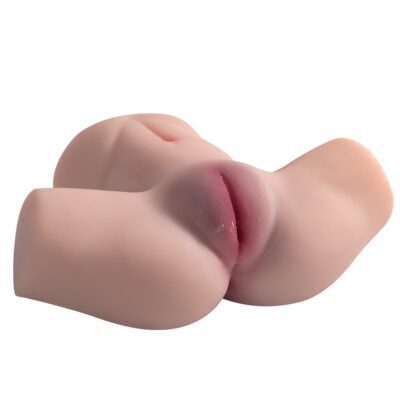
$242.33 Original price was: $242.33.$74.28Current price is: $74.28.

$665.98 Original price was: $665.98.$385.84Current price is: $385.84.

$203.14 Original price was: $203.14.$78.71Current price is: $78.71.
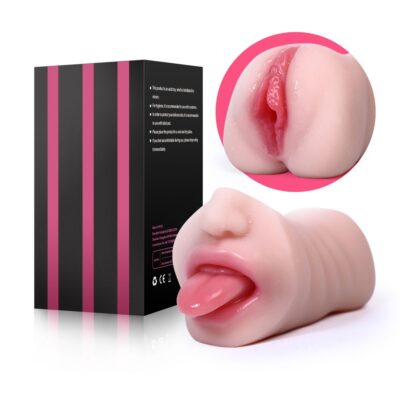
$155.30 Original price was: $155.30.$43.80Current price is: $43.80.
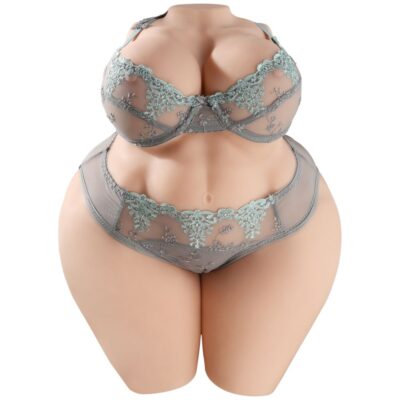
$624 Original price was: $624.$311.20Current price is: $311.20.

$255.28 Original price was: $255.28.$142.12Current price is: $142.12.
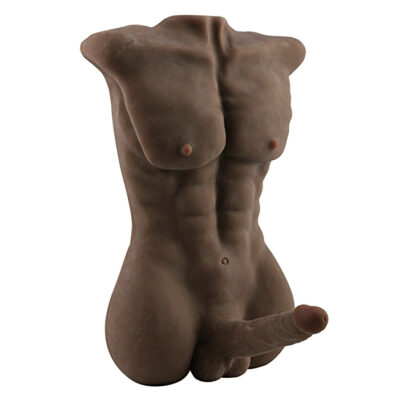
$592.25 Original price was: $592.25.$239.73Current price is: $239.73.

$592.25 Original price was: $592.25.$372.79Current price is: $372.79.
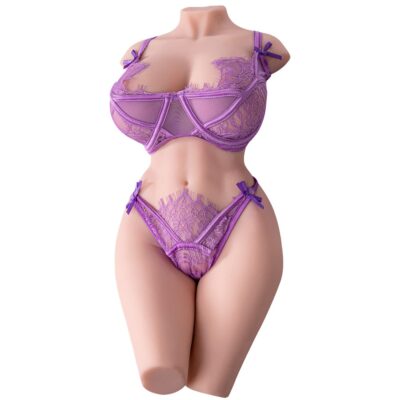
$603.37 Original price was: $603.37.$186.42Current price is: $186.42.

$1,088.50 Original price was: $1,088.50.$548.36Current price is: $548.36.

$478.50 Original price was: $478.50.$312.28Current price is: $312.28.

$155.30 Original price was: $155.30.$41.11Current price is: $41.11.
